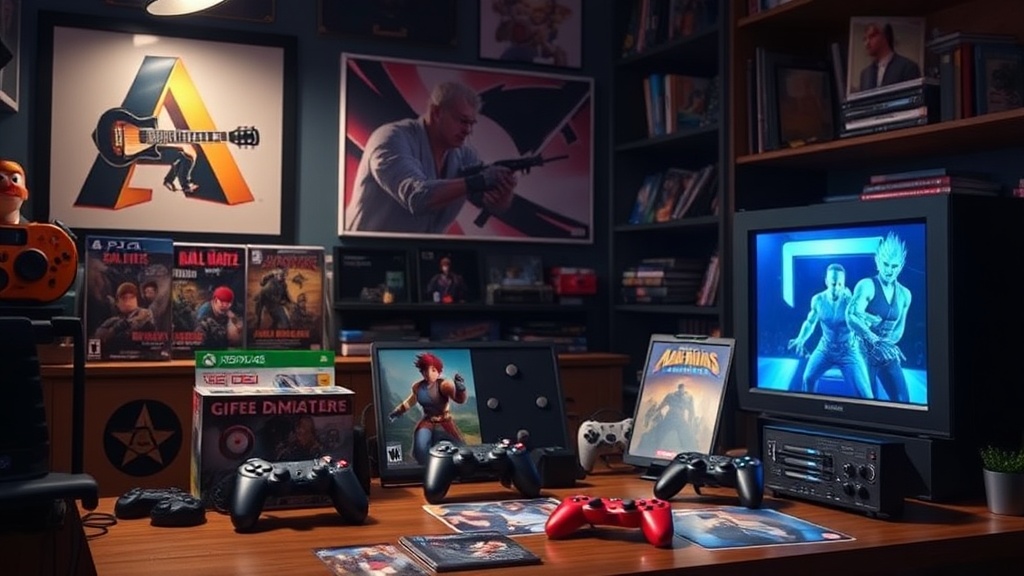
Building a High-Quality Gaming Collectible Collection Without Breaking the Bank

The Myth of the Infinite Budget
Many new collectors believe that building a world-class display of high-end resin statues or rare gaming miniatures requires a massive bank account and a limitless credit line. This is a mistake. While the top-tier market for licensed collectibles is undeniably expensive, the quality of a collection isn't measured by the total dollar amount spent, but by the curation and the story it tells. You don't need to buy every piece that drops from a major studio to have a collection that looks professional and feels complete.
A great collection is built on strategy, not impulse. If you're constantly chasing the newest hype-driven release, you'll likely end up with a cluttered shelf of items that don't actually share a cohesive theme. Instead, focus on a niche—whether it's a specific game franchise, a particular art style, or a certain era of gaming history. This approach keeps your spending focused and ensures your display looks like a curated gallery rather than a pile of unorganized merchandise.
How Do You Identify Value in Second-Hand Gaming Collectibles?
When you aren't buying directly from a manufacturer, you have to become a detective. The second-hand market is where the real deals live, but it's also where the most mistakes happen. To find true value, you need to look past the surface. A piece might look great in a low-resolution photo, but that doesn't mean it's in good condition. Always ask for close-up shots of the base, the seams, and any points of articulation.
One way to gauge value is to track the historical pricing of a specific item. Sites like eBay are excellent for this—not just for buying, but for studying "Sold" listings. If you see a specific miniature or figure selling consistently for a certain price, you've found your baseline. Don't let a seller's "Buy It Now" price dictate what an item is actually worth. Real value is found in the delta between the hyped price and the actual market-clearing price.
- Check for box integrity: A collector-grade item usually includes the original packaging.
- Inspect for "shelf wear": This includes scuffs on the plastic or fading from light exposure.
- Verify authenticity: Look for official holographic stickers or manufacturer marks.
Which Items Should You Prioritize for Long-Term Value?
Not all collectibles are created enough to hold their value over time. If you want a collection that acts as a stable asset, you have to prioritize certain types of items. Generally, limited-edition runs or items with highly sought-after sculpts tend to hold their ground better than mass-produced merchandise. For instance, a limited-run resin statue from a boutique studio will almost always outlast a standard plastic figure found in big-box retailers.
The scarcity factor is the biggest driver of value. Look for items that were produced in low quantities or were part of a specific event or anniversary. However, don't forget that "culture" also drives value. An item that is tied to a beloved, iconic moment in gaming history will often retain its prestige even if the physical materials are standard. It's the cultural weight of the item that keeps collectors coming back. You can learn more about the history of certain collectible eras by visiting the The Strong National Museum of Play, which provides great context on how gaming history is preserved.
"A collection is a reflection of your taste, not just your wallet. Focus on the pieces that actually move you, rather than just the ones that are currently trending on social media."
If you're looking to build a collection that actually grows in prestige, avoid the "hype cycle." When a new game launches, prices for its merchandise will spike. That is the worst time to buy. Wait for the initial excitement to die down. Often, a few months later, the market settles, and you can pick up those same items for a much more reasonable price. This patience is what separates the hobbyists from the serious collectors.
How Can You Organize a Growing Collection Efficiently?
As your collection grows, organization becomes a logistical challenge. You can't just keep shoving things into a bookshelf and hope for the best. You need a system that considers both aesthetics and preservation. Think about the height of your items; if you have a tall statue in the middle of a short figure, it will look unbalanced. Use tiered risers to create depth and visibility.
Lighting is another area where people often fail. While you want your pieces to be visible, harsh direct light is the enemy of high-end collectibles. LED lighting is a great choice because it produces very little heat, but even then, avoid placing your display directly in the path of sunlight. UV rays are a slow-acting poison for both plastic and paint. If you're using a display case, ensure it's airtight to prevent dust accumulation, which is a nightmare to clean off delicate surfaces without causing damage.
Consider a vertical approach to your storage. Instead of spreading your collection across multiple rooms, try to group it into themed zones. This makes it easier to manage and much easier to showcase to guests. A well-organized collection isn't just about looking good—it's about making sure your most precious pieces are protected and easy to find when you want to enjoy them.