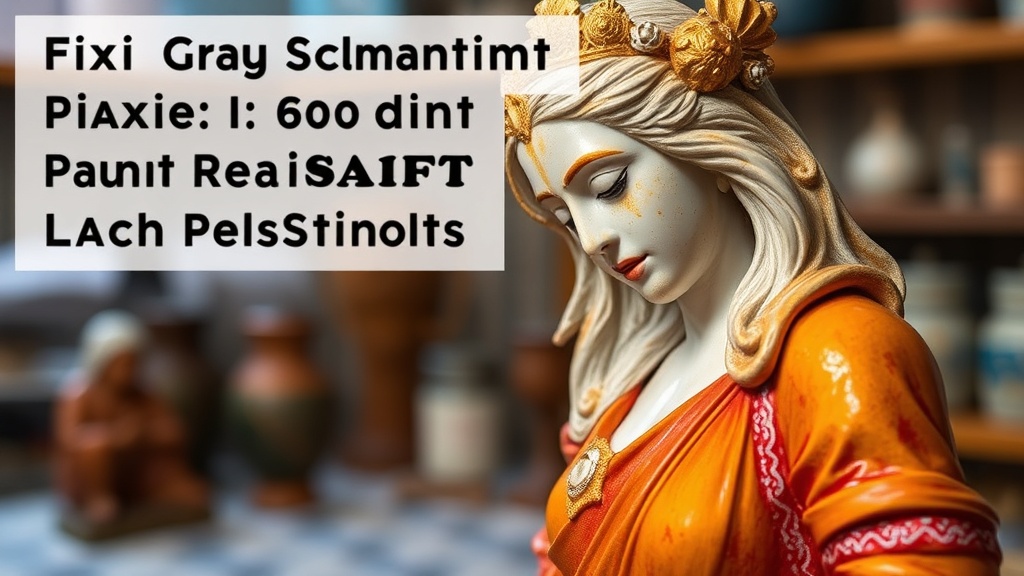
Fixing Common Paint Scuffs on Resin Statues

Have you ever pulled a high-end resin statue out of its box only to find a tiny white scratch or a chipped bit of paint on a character's armor? It's a gut-wrenching feeling. Whether it's a premium Sideshow Collectibles piece or a custom-made resin model, paint damage can instantly ruin the aesthetic of a centerpiece. This guide covers the practical steps for identifying, repairing, and blending paint scuffs on resin surfaces so you can get your collection back to mint condition.
How Do I Fix Paint Scuffs on Resin Statues?
To fix paint scuffs on resin, you need to identify if the damage is a surface scratch or a deep chip, then use color-matched acrylic or enamel paint to fill the void. Most high-end statues use a combination of hand-painted details and airbrushed gradients. Because resin is non-porous, the paint sits on the surface rather than soaking in. This means you can't just "buff it out" like a car; you have to rebuild the layer.
The process generally follows a three-step pattern: cleaning, filling, and blending. If you're dealing with a light scuff—the kind that looks like a faint line—you might only need a tiny bit of paint. If the resin itself is gouged, you'll need a filler first. Don't rush this. Speed is the enemy of a clean finish.
What Tools Do I Need for Resin Repair?
You don't need a professional studio, but you do need the right small-scale tools to avoid making the mess worse. Using a standard-sized paintbrush on a 1/6 scale figure is a recipe for disaster.
- Fine-tip brushes: Look for synthetic brushes designed for miniature painting (brands like Winsor & Newton or Army Painter are great).
- Acrylic Paint: High-pigment paints like Vallejo or Citadel work best for small-scale detail.
- Isopropyl Alcohol (70% or higher): This is for cleaning the area before you start.
- Micro-swabs/Cotton Buds: For cleaning up excess paint.
- Magnifying Glass or Desk Lamp: You can't fix what you can't see clearly.
A quick tip: always test your paint on a piece of scrap resin or a hidden part of the base before touching the main statue. It's better to ruin a cheap piece of scrap than a $500 statue.
What is the Difference Between a Scuff and a Chip?
A scuff is a superficial mark where the paint has been rubbed or scuffed, while a chip is a loss of material where the underlying resin is exposed. Understanding this distinction determines whether you use a "dry brush" technique or a "fill and level" technique.
A scuff usually looks like a dull, matte area where the gloss or satin finish has been disturbed. A chip, on the other hand, often reveals a different color—usually the white or grey of the raw resin underneath. If you try to "paint over" a deep chip without filling it, you'll end up with a visible bump of paint that looks even worse than the original damage.
| Damage Type | Appearance | Primary Fix Method |
|---|---|---|
| Surface Scuff | Dull/matte streak | Polishing or light color blending |
| Paint Chip | Missing paint, exposed resin | Color matching and layering |
| Deep Gouge | Physical dent in resin | Resin putty/filler followed by paint |
If you're working with a piece that has a complex texture—like dragon scales or fabric—the repair gets much harder. You'll need to be much more precise with your brush control.
How Do I Match Paint Colors for My Collection?
The easiest way to match paint colors is to use a color-matching tool or a high-quality paint set that includes a wide range of shades. If you're trying to match a specific metallic or a very specific shade of "battle-worn" crimson, a standard off-the-shelf paint might look too bright or too flat.
Don't just grab the nearest red. The lighting in your display case can make colors look different than they do under sunlight. If you're worried about a color match, check out the Wikipedia page for acrylic paint to understand the chemistry of the pigments you're using. Some paints are more translucent than others, which is actually a good thing for layering.
Here is a quick checklist for color matching:
- Identify the base color (the color of the unpainted resin).
- Identify the surface color (the color of the paint that was there).
- Test a tiny dot of the new paint on a hidden area.
- Wait for it to dry completely before deciding if it's a match. (Paint often dries darker or lighter than it looks wet!)
Step-by-Step: The Repair Process
Once you have your tools and your paint, follow these steps to ensure a professional-looking result. It's a slow process, but patience pays off.
Step 1: Clean the Area
Use a cotton swab dipped in a tiny amount of Isopropyl Alcohol to clean the damaged area. You need to remove any oils from your skin or dust that might prevent the new paint from sticking. Be careful not to soak the area; you don't want to dissolve the surrounding paint.
Step 2: Leveling the Surface (If Necessary)
If the chip is deep, you'll need a tiny bit of resin filler or even a specialized putty. Apply it with a toothpick—not a brush—to keep it contained. Let it cure fully. If you try to paint over wet putty, the paint will just sink in and look terrible.
Step 3: The First Layer
Apply a very thin layer of your color-matched paint. Instead of one heavy stroke, use multiple thin layers. This prevents the "glob" look. If you're fixing a matte area, don't use a glossy paint. The texture of the paint itself is part of the finish.
Step 4: Blending and Finishing
Once the color is in, you might need to blend the edges. If the statue has a clear coat (like a gloss or satin finish), you'll need a clear varnish to match. This is where most people fail. A matte paint on a glossy statue will look like a smudge. To avoid this, I've previously written about lighting your collection, and it's worth noting that a mismatched finish becomes incredibly obvious under bright LEDs.
The catch? Most people try to do too much in one go. If you apply a thick layer of paint to cover a chip, you'll create a new, even more obvious bump. It's better to have three thin, translucent layers than one thick, opaque one.
If you're still unsure, take a photo of the damage and post it in a collector forum. Most experienced hobbyists are happy to help you identify the exact paint shade or technique needed. It's a community, after all.
Steps
- 1
Clean the Surface Area
- 2
Match the Paint Color
- 3
Apply with Precision
- 4
Dry and Inspect