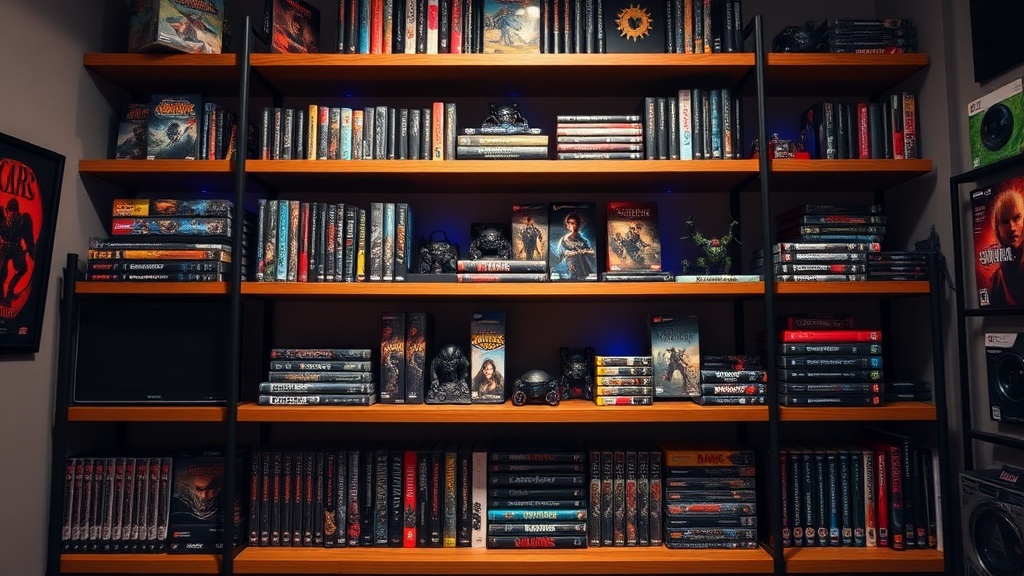
How to Set Up Your Gaming Collectible Display Shelving

Did you know that even the most minor vibration from a nearby heavy-traffic road or a heavy-footed person walking past can cause microscopic shifts in a resin figure's center of gravity? It isn't just about aesthetics; it's about structural integrity. This guide covers how to design and install shelving systems specifically for gaming-related collectibles—ranging from heavy resin statues to delicate miniature wargaming sets—so they remain safe and visually striking.
Setting up a display isn't just about putting things on a shelf. If you don't consider weight distribution, light exposure, and material stability, you're asking for trouble. A poorly planned shelf can lead to a collapsed piece or, worse, a warped collectible. We're looking at how to build a setup that respects the value of your collection.
What Material Should You Choose for Display Shelves?
Choosing the wrong material can be a disaster for high-end collectibles. If you're displaying heavy-duty resin statues, a standard thin-gauge particle board shelf will likely bow over time. Wood is a classic choice, but it's sensitive to humidity. If your room's moisture levels fluctuate, wood might warp, which shifts your items' balance.
- Tempered Glass: This is the gold standard for visibility. It doesn't block light, and it looks incredibly clean. However, it’s heavy and can be brittle.
- Acrylic: Great for lightweight miniatures or smaller figures. It's much harder to break than glass, but it can scratch easily if you aren't careful.
- Solid Hardwood: Best for heavy, large-scale pieces. It offers a sturdy base that handles weight without the bowing seen in cheaper materials.
If you're looking for high-quality display-grade materials, checking out specialized hobbyist suppliers or even high-end furniture retailers can provide more insight into material density. For example, understanding the structural integrity of various materials is something often discussed on Architectural Digest regarding high-end home setups.
How Do You Prevent Light Damage to Your Figures?
Light is a silent killer for collectors. UV rays don't just fade the paint on a miniature; they can actually degrade the chemical bonds in certain plastics and resins, making them brittle. This is especially true for many modern gaming-related collectibles that use softer polymers. You might think a dim room is safe, but even standard LED bulbs can emit enough light to cause long-term issues if positioned incorrectly.
To manage this, you shouldn't just rely on the room's ambient light. Instead, consider integrated lighting solutions. LED strips are the way to go because they emit very little heat and almost no UV radiation. If you're using a display case, make sure the light source isn't directly touching the item. A small gap between the light and the collectible acts as a buffer. If you want to be certain about UV levels, you can look at the standards provided by the American National Standards Institute regarding light exposure and material degradation.
How Much Weight Can a Single Shelf Hold?
This is the question that keeps many collectors up at night. You might have a single, massive 1/4 scale statue that weighs twenty pounds, sitting right next to a tiny, lightweight plastic figure. If you use a single shelf for both, you're creating an uneven load.
To calculate this, you need to look at the weight of your heaviest item and multiply it by the frequency of your browsing. If you move items often, the shelf experiences more stress. I recommend using a tiered approach. Put your heavy, substantial pieces on lower shelves—near the floor—and keep your lighter, more delicate miniatures on the higher, eye-level shelves. This keeps the center of gravity low and prevents the entire unit from becoming top-heavy and prone to tipping.
Here is a quick reference for weight distribution:
| Item Type | Typical Weight | Recommended Shelf Height |
|---|---|---|
| Resin Statues (Large) | 10-25 lbs | Bottom Tier (Low) |
| Vinyl Figures | 1-3 lbs | Middle Tier (Eye-level) |
| Miniature Wargaming Sets | < 0.5 lbs | Upper Tier (High) |
When you're building your setup, don't forget about the mounting hardware. A shelf might be strong, but if the brackets aren't anchored into a wall stud, the whole thing is a liability. Always use heavy-duty brackets for anything carrying more than five pounds. It's a simple step, but it's the difference between a stable display and a broken collection.
One more thing—vibration. If your display is against a wall shared with a laundry room or a heavy subwoofer, those micro-vibrations will eventually cause your figures to "walk" across the shelf. Use museum wax or small, clear rubber bumpers to keep your items in place. It's a tiny detail, but it's the kind of thing that saves a collection from a slow, unintended slide into disaster.