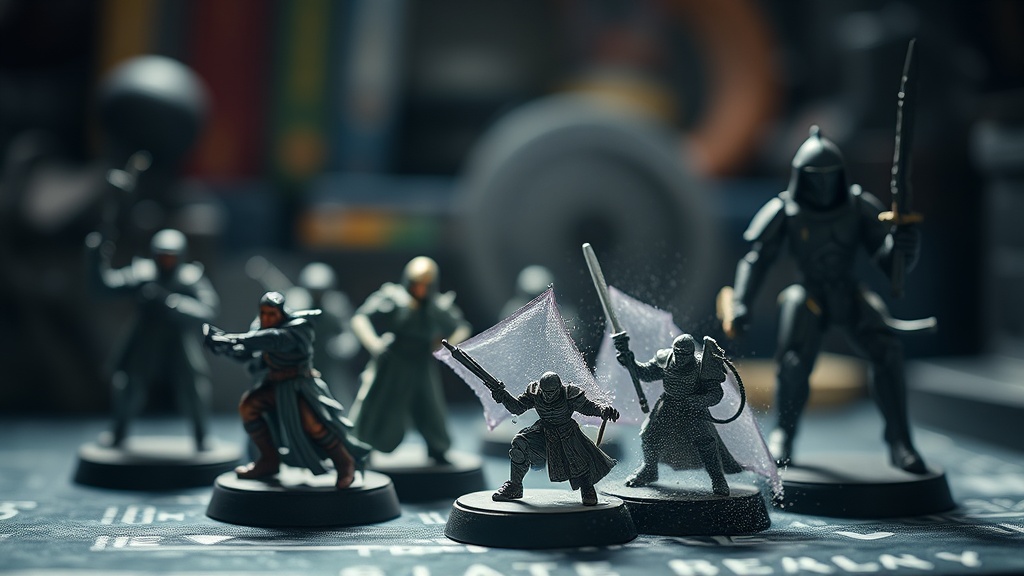
Keeping Your Gaming Figures Clean Without Damaging the Paint

This post covers the specific techniques, tools, and safety protocols required to clean painted gaming miniatures and collectibles without stripping away delicate paint layers or damaging fine details. Whether you're dealing with a layer of dust on a shelf-ready statue or a bit of grime on a tabletop-ready miniature, knowing how to handle the cleaning process is vital for long-term preservation.
<\p>Collectors often make the mistake of thinking a quick wipe with a damp cloth is safe. It isn't. Most high-end gaming collectibles use acrylic or enamel paints that can be easily dissolved or scratched if you aren't careful. We'll look at the proper way to remove dust, how to handle surface buildup, and what tools you should keep in your kit to ensure your pieces stay in mint condition.Can I use water to clean my painted miniatures?
The short answer is: be extremely careful. While water is generally a safe substance, the way it's applied matters. You shouldn't ever dunk a painted miniature or a highly detailed collectible into a bowl of water. Doing so can lead to moisture seeping into cracks, which might cause swelling in certain resin bases or even loosen the bond between the paint and the material.
If you must use water, use a damp—not soaking—microfiber cloth or a high-quality soft-bristled brush. Think of it like cleaning a delicate piece of jewelry. You're looking to lift the dust, not saturate the piece. If you're working with high-end resin statues, water can sometimes react with the finish if the sealant isn't high quality. Always test a small, inconspicuous area first if you're worried about the finish.
For most gaming miniatures, a dry brush is actually your best friend. A soft-bristled makeup brush or a dedicated hobby brush works wonders for sweeping away loose dust. This method is much safer than any liquid-based approach because it avoids the risk of water spots or chemical reactions. If you find yourself needing to clean something more stubborn, you might look into professional cleaning supplies for collectors, but for 90% of your collection, a dry brush is enough.
What are the best tools for dusting collectibles?
Don't reach for a standard household duster or a heavy-duty vacuum attachment. Those are far too aggressive for the fine details found on gaming pieces. Instead, build a small kit of specialized tools. Here is what I recommend keeping on hand:
- Soft Makeup Brushes: These are fantastic for reaching into the nooks and crannies of a miniature's armor or clothing. They are incredibly soft and won't scratch the paint.
- Compressed Air (Used Sparingly): While tempting, be careful. A sudden blast of air can actually knock small parts off a fragile model. If you use it, use a very low pressure and hold the can at a distance.
- Microfiber Cloths: Use these only for larger, smoother surfaces like the bases of your figures or large-sized statues.
- Anti-Static Brushes: These help prevent dust from immediately returning to the surface by neutralizing the static charge.
When you're dusting, always work from the top down. This ensures that any dislodged particles fall onto surfaces you haven't cleaned yet. It might seem tedious, but it saves you from having to clean the same piece twice. If you're looking for more technical advice on material safety, the official Warhammer website often has great insights into the care of their specific-painted products.
Is it safe to use canned air on my display pieces?
It's a common practice in the tech world, but in the world of collectibles, it's a gamble. Canned air (often called compressed air) is a double-edged sword. On one hand, it's great for blowing dust out of deep recesses. On the other hand, the pressure can be quite high and the temperature of the gas can drop rapidly during discharge. This temperature drop can actually cause thermal shock to certain types of plastics or resins, leading to tiny cracks or even breaking a brittle component.
If you decide to use compressed air, follow these rules: never hold the can upside down, which can spray liquid propellant, and keep the nozzle at least six to ten inches away from the piece. I generally suggest using a brush instead. It's much more controlled and less likely to cause an accident. If you're dealing with a very high-end piece, you might want to consult a professional conservator, but for standard gaming miniatures, a brush is the gold standard.
If you want to learn more about the different types of resins and plastics used in modern manufacturing, checking out sites like museum conservation resources can give you a deeper understanding of how different materials react to environmental changes. This can help you decide if a certain cleaning method is too risky for a specific item.
How do I remove stubborn grime from a miniature?
Sometimes, a simple dusting isn't enough. Maybe your miniature has been handled a lot during a game session, and it now has skin oils or a bit of grime on it. In these cases, you're looking at a more intensive cleaning process. You'll want to avoid any harsh chemicals. Never use isopropyl alcohol directly on painted surfaces unless you know for certain that the paint is fully cured and sealed with a high-quality matte or gloss varnish. Even then, it's a risk.
A better approach is to use a very lightly dampened cotton swab (Q-tip). Dip the swab in water, then touch it to a paper towel so it's barely damp. Gently roll the swab over the area you want to clean. This lifts the grime without flooding the area with moisture. It's a slow process, but it's much safer for the paint integrity. If the grime is particularly bad, you might consider a specialized hobby cleaner, but always check the compatibility with your paint type first.
How often should I clean my collection?
You don't need to clean your collection every week. In fact, over-handling your pieces can actually cause more harm than good. The oils from your skin are a major contributor to the buildup of grime. A good rule of thumb is to do a quick dusting once a month if the items are on display, and a more thorough cleaning every six months. If you keep your collection in a closed display case, you can probably push this to once or twice a year.
The more often you touch your collectibles, the more likely you are to cause wear. If you're playing a tabletop game with these pieces, try to handle them by the base rather than the figure itself. This minimizes the chance of skin oils transferring to the painted parts. Keeping your collection in a controlled environment—meaning a place with stable humidity and temperature—will also help reduce the frequency of necessary cleaning.