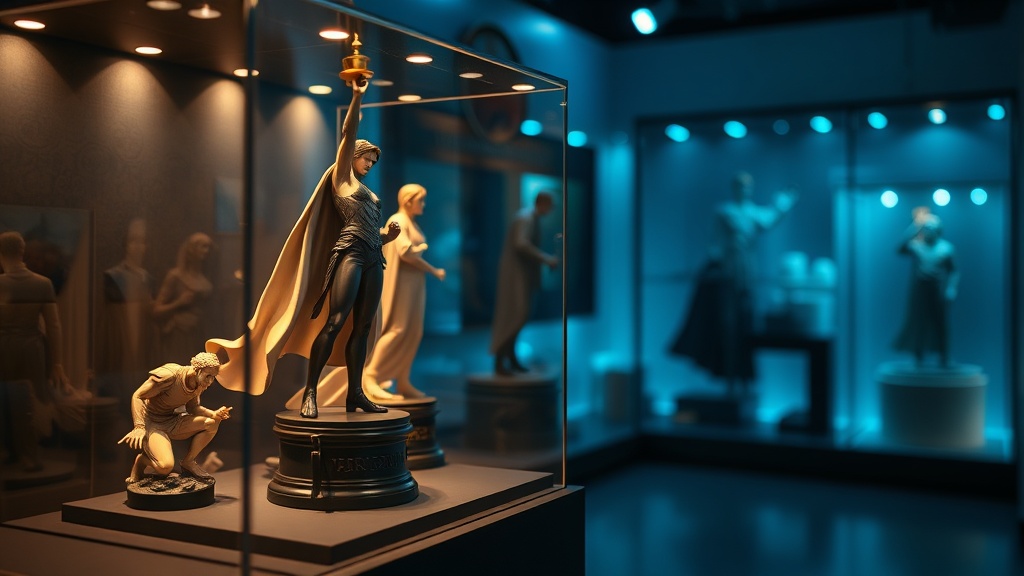
Selecting the Best Display Cases for Resin Statues and Figures

Most collectors assume that any clear plastic box will do the job of protecting their high-end resin statues. They think if they can see the figure, it's being protected. That's a mistake. A cheap, flimsy acrylic case might actually trap heat or moisture, leading to paint-on-resin degradation or even worse, permanent structural warping. Choosing a display case isn't just about aesthetics; it's about creating a controlled environment that prevents long-term damage to your investment.
When you're dealing with high-end collectibles, the stakes are high. A single bad decision regarding your display method can lead to UV fading or dust accumulation that's nearly impossible to remove without damaging the finish. We're going to look at the different types of housing available and what you need to watch out for before you spend a dime on shelving.
What is the best way to display high-end resin statues?
The answer isn't a one-size-fits-all solution, but rather a balance of material quality and volume. If you're a serious collector, you'll likely find yourself choosing between three main paths: acrylic boxes, glass cabinets, and custom-built enclosures. Each has a specific role to play in your collection's lifecycle.
Acrylic boxes are great for single-figure displays. They're lightweight and easy to move around, which is helpful if you like to change your desktop setup frequently. However, don't settle for the cheap, thin sheets you find at big-box craft stores. Those often have a high degree of static electricity, which actually pulls dust toward your statue like a magnet. Instead, look for high-grade, UV-resistant acrylic. This helps keep the light from eating away at your paint jobs over time.
Glass cabinets—think brands like IKEA or specialized display furniture—are the gold standard for larger collections. They offer much better stability and a more professional look. Glass is much harder to scratch than acrylic, and it's easier to keep a consistent temperature inside. If you have a collection of heavy resin pieces, glass provides the structural integrity you need to ensure a shelf doesn't bow and potentially tip a statue over.
Comparing Display Materials
Before you buy, consider this comparison of how different materials behave in a standard room environment:
| Material | Durability | Clarity | UV Resistance |
|---|---|---|---|
| Acrylic | Moderate | High | Variable |
| Tempered Glass | High | Excellent | Low |
| Polycarbonate | Very High | Very High | High |
Polycarbonate is often a better choice than standard acrylic if you're worried about impact or if you have kids or pets around. It's much tougher, though it can be a bit more expensive. If you're looking at professional-grade displays, check out sites like Vitrine for specialized museum-quality solutions that go beyond basic shelving.
How do I prevent dust buildup on my gaming collectibles?
Dust is the silent killer of collections. It's not just about the visual mess; dust is abrasive. When dust settles on a resin surface, it can hold moisture and microscopic debris that can scratch the paint if you're not careful when cleaning. The best way to prevent this is through a sealed environment. An airtight or near-airtight case is your best friend.
If you use open shelving, you're basically inviting the environment to attack your pieces. Even if you have a high-quality shelf, if it isn't enclosed, you'll spend more time dusting than enjoying your collection. A common mistake is using a soft brush to clean dust off an open figure. While it seems harmless, the bristles can actually cause micro-scratches on delicate paintwork over time. A sealed case is a much better preventative measure than a constant cleaning routine.
Top Tips for Dust-Free Displays
- Use Sealing Strips: If you're using a glass cabinet, ensure the doors have rubber or silicone seals to keep air movement minimal.
- Avoid High-Traffic Areas: Don't place your display near doors or AC vents. Air movement carries more dust, and the vibration can cause pieces to shift.
- Internal Lighting: Use LED lighting rather than traditional bulbs. LEDs generate far less heat, which prevents the "greenhouse effect" inside a closed case.
Which lighting works best for a collector's display?
Lighting is where most collectors go wrong. They want their figures to look bright and vibrant, so they crank up the lights. But if you're using standard incandescent bulbs, you're essentially cooking your collection. The heat generated can soften the resin or cause the paint to become tacky. Even some cheaper LEDs can emit enough UV light to cause significant fading over a few years.
For the best results, stick to high-CRI (Color Rendering Index) LED strips. These will make the colors of your statues look true to life without the heat. You want to find lights that have a high "warmth" or "neutrality" to avoid making your figures look washed out or unnaturally blue. If you're looking for professional-grade lighting components, the Philips Hue ecosystem is a popular choice for collectors who want to control their display colors via a smartphone app.
Always check the heat output of your light source. If you can feel warmth coming off the light while it's on, it's too hot for a closed display case. This heat can lead to the expansion and contraction of the plastic or resin, which eventually causes cracks. It's a slow process, but it's a common way collectors lose expensive pieces. Always prioritize temperature-neutral lighting to keep your collection in top shape.
When setting up your display, remember that the goal is a balance of visibility and preservation. A piece that looks stunning in a bright, hot, open room is a piece that won't look good in five years. Take the time to build a controlled environment, whether that's a single-figure box or a full-sized cabinet. Your future self will thank you when your collection still looks as fresh as the day you unboxed it.