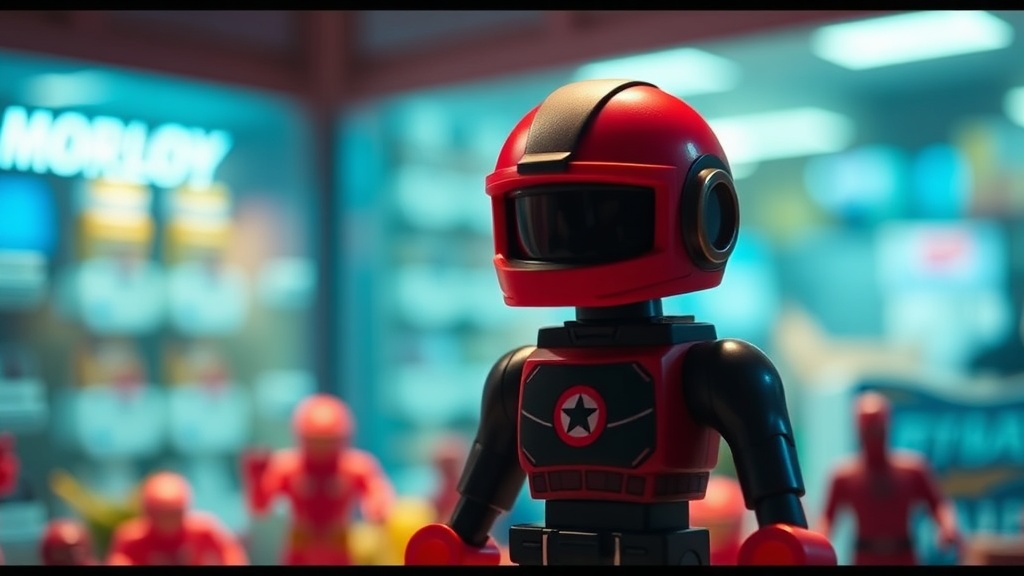
Why Your Plastic Figures Are Actually Shrinking

Most collectors assume that if they leave a figure on a shelf, it stays exactly the same size forever. They think a change in temperature might cause a slight wobble or a color fade, but the idea that a collectible can physically shrink is a hard pill to swallow. It isn't just a myth; it's a chemical reality. When you buy high-end statues or gaming miniatures, you aren't just buying a static object. You are buying a complex mix of polymers, resins, and additives that react to their environment every single day.
This post looks at the actual mechanics of material degradation in the gaming world. We aren't talking about dust or light damage—those are surface issues. We're talking about the structural integrity of the medium itself. If you don't understand how your pieces interact with the air around them, you might find your prized possessions looking slightly off-scale in a few years.
Is Plastic Shrinkage a Real Problem for Collectors?
Yes, it is. Specifically, when dealing with PVC (Polyvinyl Chloride) and certain types of resin, a process called "outgassing" occurs. Manufacturers use plasticizers to keep figures feeling supple and to prevent them with brittleness. These are basically oils that sit between the polymer chains. Over time, these chemicals can migrate to the surface or evaporate into the air. When that happens, the material becomes more rigid, and the overall volume of the piece can actually decrease. It's a subtle shift, but it's measurable.
You might notice it first when a figure's base no longer fits perfectly in a custom-made display or when a joint feels significantly more brittle than it did at the point of purchase. This isn't just about the piece getting smaller; it's about the loss of the chemical-physical balance that the manufacturer intended. If you keep your collection in an unventilated cabinet, you're essentially creating a pressurized chamber where these gases can't escape, which often speeds up the degradation of nearby items.
How Does Humidity Affect My Gaming Miniatures?
Humidity is a double-edged sword. While most people worry about moisture causing mold, the real danger for high-end gaming collectibles is the way humidity interacts with the internal structure of the material. High humidity can lead to a phenomenon where the plastic absorbs moisture, becomes slightly more flexible, and then undergoes a massive shift when the air dries out. This cycle of expansion and contraction is what causes micro-fractures in more expensive resin statues.
To get a better sense of how material science works in the hobby, you might want to look at the technical data provided by professional manufacturing sites like ScienceDirect, which explains how polymer stability changes under varying environmental stresses. It's not just about the weather outside; it's about the micro-climate inside your display case. If you're using a sealed acrylic case, you've actually created a small ecosystem. Without a way to regulate the air, that ecosystem can become quite hostile to your collection.
| Material Type | Common Issue | Primary Cause |
|---|---|---|
| PVC Figures | Stickiness/Shrinkage | Plasticizer Migration |
| Resin Statues | Cracking/Brittle | UV Exposure & Humidity |
| ABS Plastic | Yellowing/Brittleness | Thermal Stress |
Can I Prevent My Collection From Shrinking?
You can't stop physics, but you can slow it down. The first rule of defense is ventilation. If you use display cases, don't make them airtight unless you have a controlled environment. A little bit of airflow prevents the buildup of outgassed chemicals. If you're seeing a "sticky" film on your figures, that's a sign the plasticizers are migrating. This is often a precursor to the shrinkage that follows.
Second, watch your temperature swings. Rapid changes in temperature are the enemy. A stable, cool environment is much better than a room that gets hot in the afternoon and cold at night. This is especially true if your display is near a window or a heater. For collectors looking for deeper insights into material longevity, checking the archives at Smithsonian Institution can provide a wealth of information on how different materials age over decades.
Third, avoid the temptation to "clean" your figures with harsh chemicals. Many collectors try to use isopropyl alcohol to clean a figure that feels sticky. This is a mistake. Alcohol is a solvent. It can strip away the very plasticizers that keep the figure's shape, leading to even faster shrinkage and a much more brittle structure. Use a soft, dry brush or a very slightly damp microfiber cloth instead.
- Never use high-strength solvents on your figures.
- Always monitor the temperature of your display room.
- Keep a log of your collection's condition to spot subtle changes early.
The goal isn't perfection—it's preservation. You'll never have a perfectly static collection, but by understanding the way these materials breathe and react, you can ensure your pieces remain in top shape for a lot longer than you might expect. It's about being a proactive steward of your collection rather than just a passive observer.